




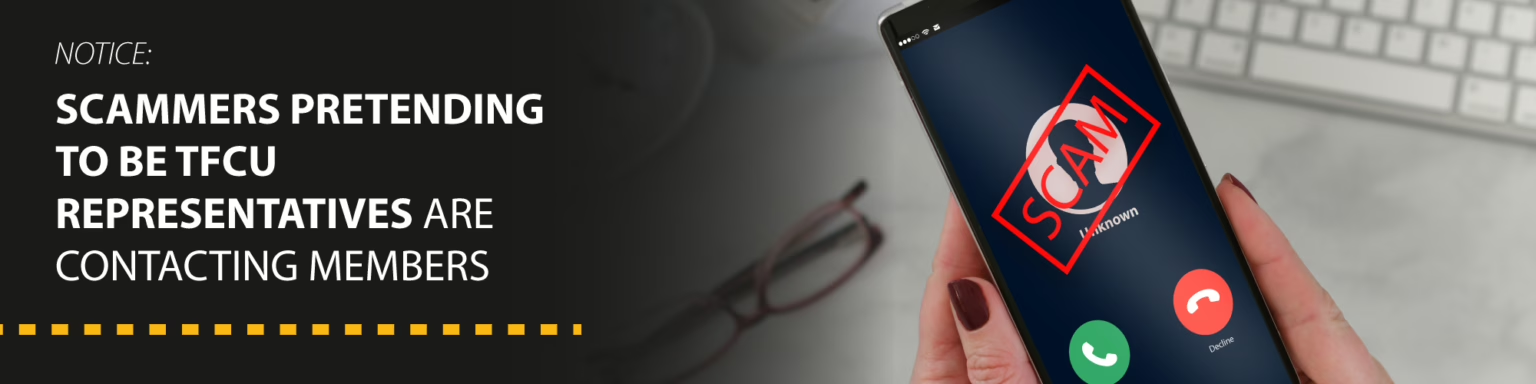
Stay Alert: Beware of Scammers Posing as Transportation Federal Credit Union
Protecting our members’ financial security is one of our top priorities. Recently, we have been made aware of scammers impersonating Transportation Federal Credit Union representatives and attempting to contact members by phone and email.
These scammers claim there is an issue with your account and pressure you to provide sensitive information. This is a reminder to stay vigilant and informed.
What You Need to Know
Scammers may:
- Call or email claiming urgent account problems
- Use official‑sounding language or caller ID spoofing
- Ask for personal or account information
Transportation Federal Credit Union will NEVER contact you to ask for:
- Your PIN
- Access code
- Password
- Online banking credentials
- Social Security number or other personal information
How to Recognize a Phishing Attempt
Phishing is a common scam where criminals pretend to be a trusted organization to steal your information.
Be cautious if a message:
- Creates urgency (“Act now or your account will be locked”)
- Requests confidential information
- Contains unexpected links or attachments
- Has spelling errors or unusual wording
- Comes from an unfamiliar email address or phone number
Step‑by‑Step Guide to Phishing Prevention
Step 1: Pause Before You Respond
Scammers rely on panic. Take a moment to think before clicking, replying, or sharing information.
Step 2: Never Share Sensitive Information
Do not provide account details, passwords, PINs, or access codes—no matter how legitimate the request may seem.
Step 3: Verify the Source
If you receive a suspicious call or email:
- Hang up or do not reply
- Contact Transportation Federal Credit Union using the official phone number or by visiting a branch
Step 4: Check Links Carefully
Hover over links (without clicking) to see where they lead. If the address looks unfamiliar or strange, do not click it.
Step 5: Do Not Download Attachments
Unexpected attachments can contain malware. Only open files from trusted, verified sources.
Step 6: Strengthen Your Passwords
Use strong, unique passwords for your financial accounts and avoid reusing them across different services.
Step 7: Report Suspicious Activity
If you believe you’ve been contacted by a scammer or shared information accidentally, contact us immediately so we can help protect your account.
Stay Informed, Stay Secure
Scams evolve, but awareness is your best defense. By staying alert and following these steps, you help protect not only yourself but the entire credit union community.
If something feels suspicious, trust your instincts. If you have concerns about your account, contact us directly via phone 202.366.9400 or by visiting a branch.